
By Sarah Clark, Specialist Family Support Worker, PGCert/PGDip Autism Studies
During Sensory Awareness Month, Bromley Mencap explains the eight senses, how sensory differences affect autistic and neurodivergent people, and simple environmental changes that make daily life easier.
Around 1 in 6 neurodivergent people experience sensory differences. For autistic people, studies suggest over 90% are either extra-sensitive (hyper-sensitive) or less sensitive (hypo-sensitive) to things like sound, light, touch, taste, smell or movement.
Most of us learn about five senses at school, but there are actually eight:
-
Sight, hearing, touch, taste, smell
-
Vestibular (balance and movement)
-
Proprioception (where your body is in space)
-
Interoception (what’s happening inside your body – hunger, thirst, heart rate, temperature)
Sensory differences don’t vanish with age – they grow with you. That’s why understanding and practical support should be part of everyday life at home, school, work and in the community.
“If you want a successful outcome, and you recognise the person with autism cannot change their brain, then the only thing you can change is the environment.”
— Dr Luke Beardon
Autism + environment = outcome. When we adapt the environment, we reduce stress and open up opportunities.
Quick ideas that can help
-
Offer quiet spaces or “low-sensory” times
-
Use soft lighting and reduce flicker/glare
-
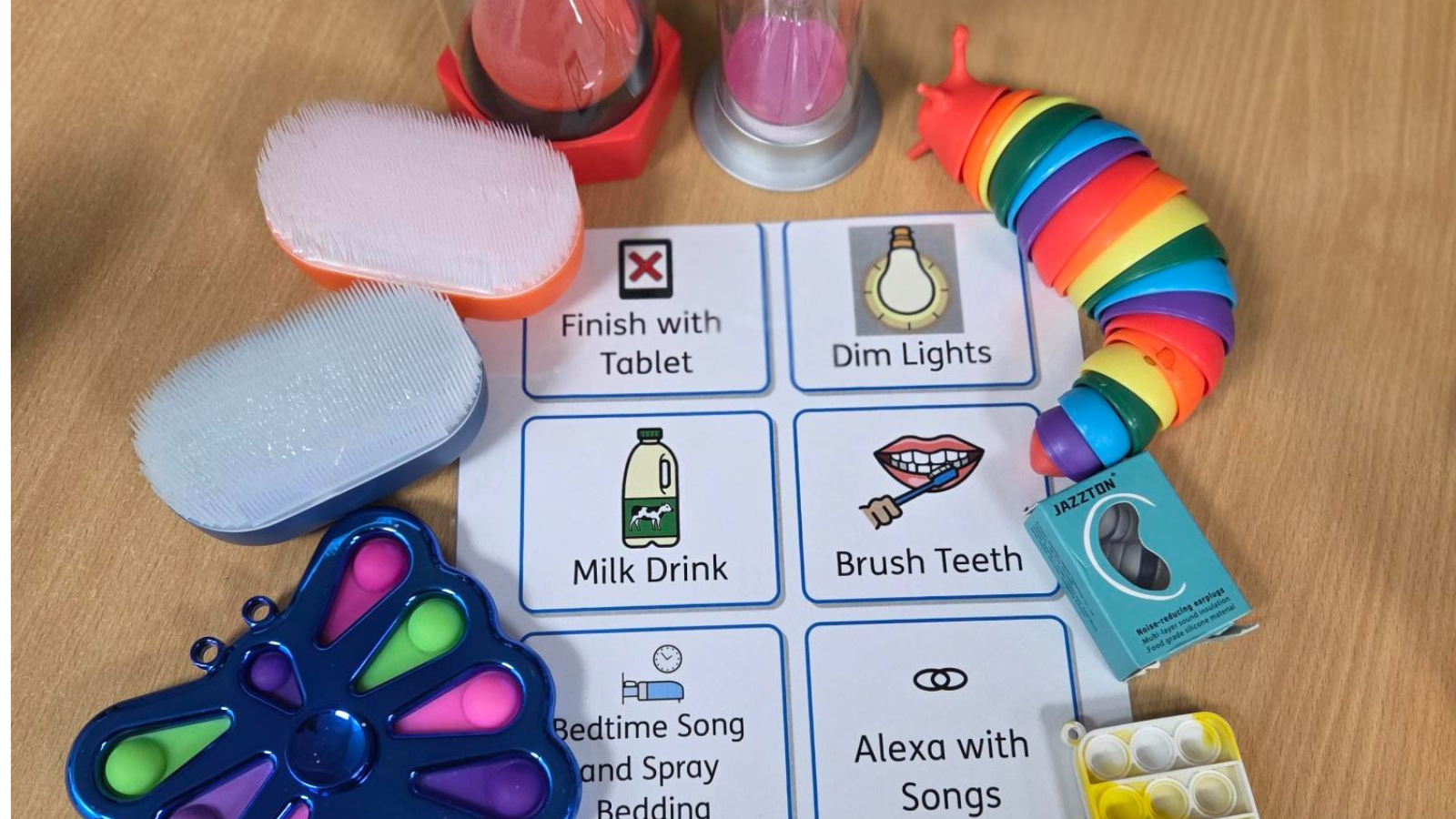
Allow headphones, sunglasses or fidget toys
-
Give clear, written information and visual schedules
-
Build in movement breaks and predictable routines
-
Provide clothing that avoids itchy seams/labels
Further Reading
Sensory Processing Disorder in Neurodivergent Individuals: Navigating a Unique Sensory Experience
Helpful links

